

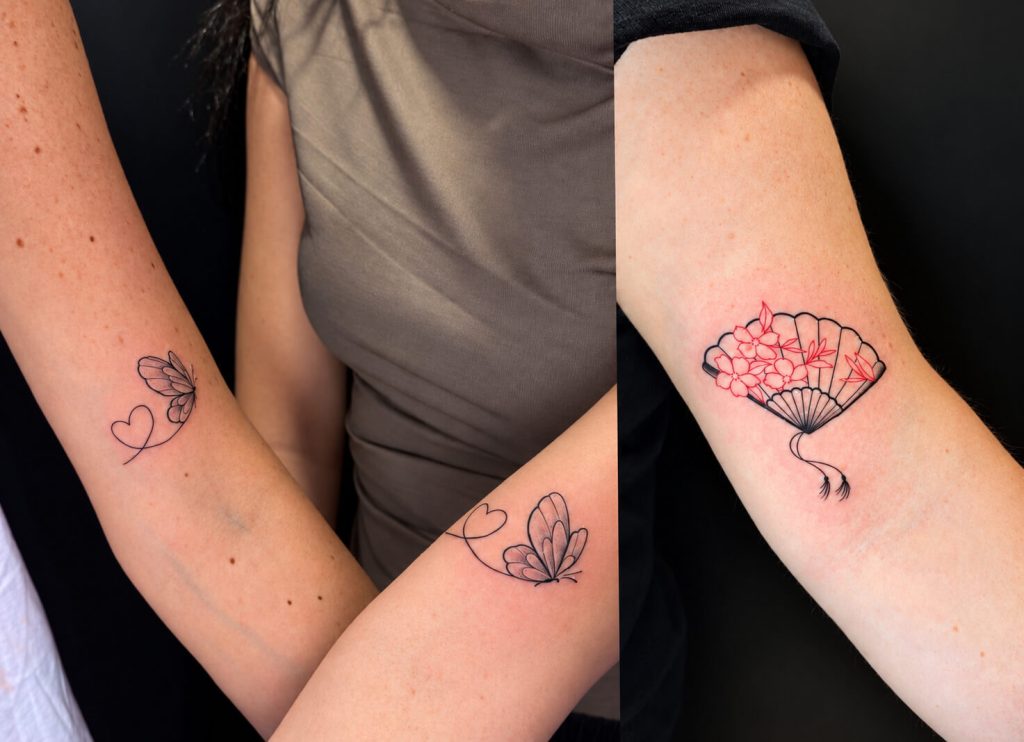
The world of body art has evolved towards subtlety. Today, fine line tattoos dominate international trends thanks to their minimalist, elegant and timeless aesthetic. Far from the bold outlines and heavy shading of traditional or Old School tattooing, this technique makes designs look as if they had been drawn directly onto the skin with a mechanical pencil or a single-hair brush.
If you are looking for a discreet design with an exceptional level of detail, the fine line style is the perfect choice. In this guide, we explain everything you need to know before taking the step: from needle technique to how to prevent fading and where to find the best specialists.
What makes a fine line tattoo technically unique?
To understand why this style is so special, and so complex to execute, we need to look at the tattoo artist’s equipment. While a standard tattoo usually requires groupings of 7 to 14 needles, a fine line tattoo is typically created using 1RL or 3RL (Round Liner) configurations. These are ultra-fine needles with diameters ranging between 0.20 mm and 0.25 mm.
This drastic reduction in thickness requires the artist to have an impeccable hand and an exact understanding of human anatomy. If the tattoo artist injects the ink too deeply into the hypodermis, a blowout can occur, causing the ink to spread and create a blurred mark. If, on the other hand, the ink remains too close to the surface, in the epidermis, the tattoo may disappear within weeks as the skin regenerates.
The success of this technique lies in depositing the pigment precisely in the papillary dermis.
Styles that shine with fine line tattooing:
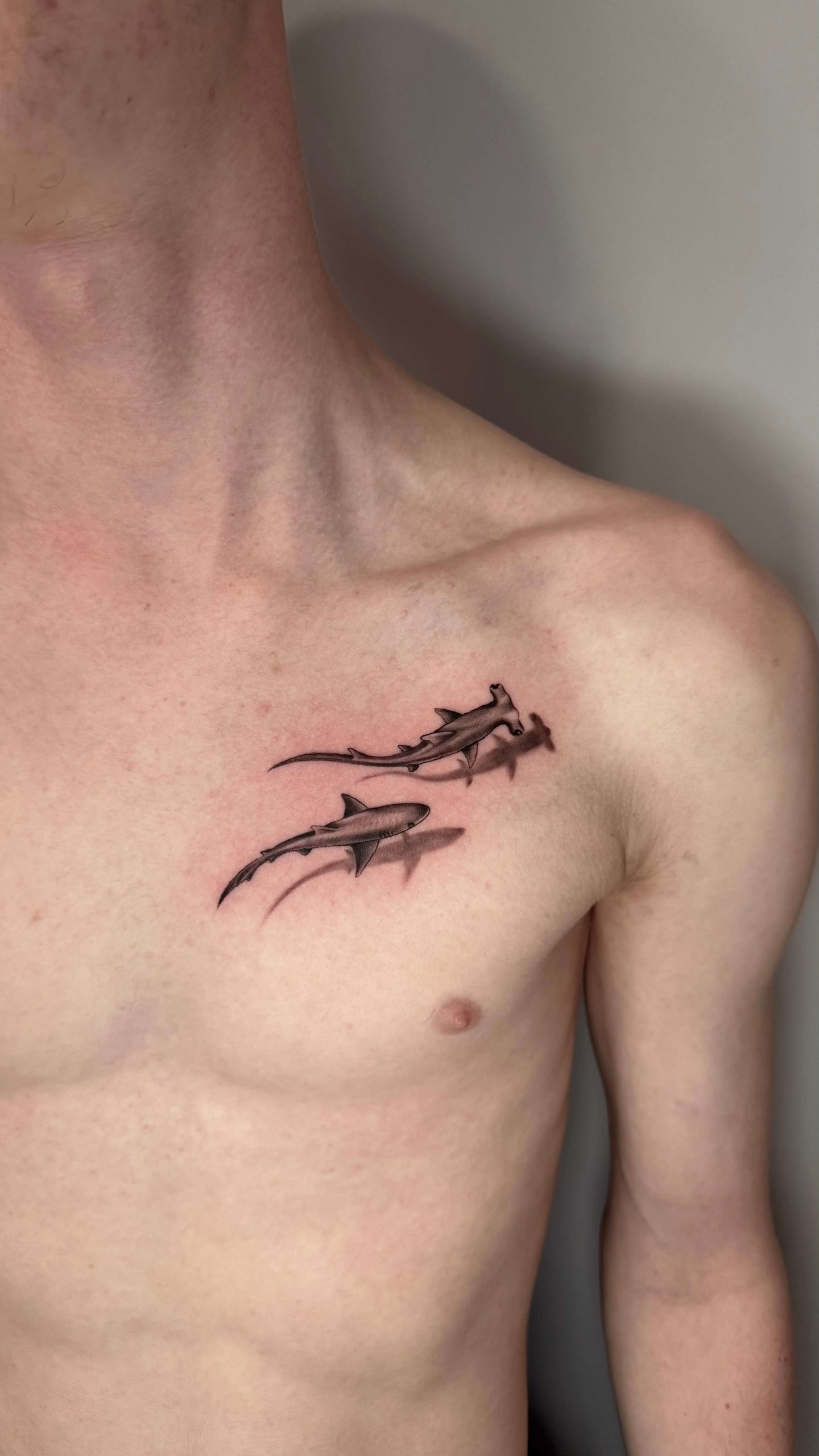
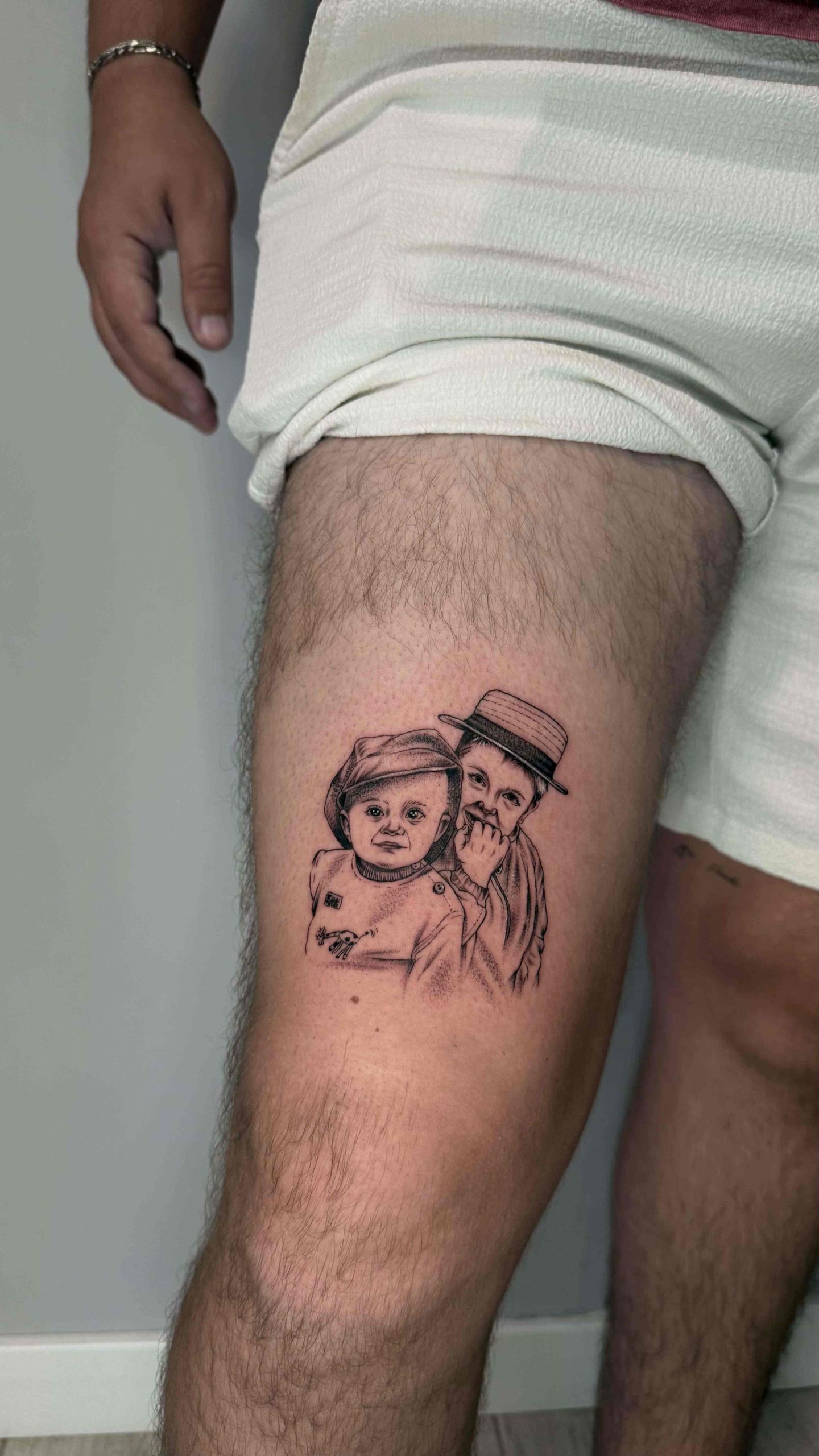
- Micro-realism: Portraits or animals in tiny formats with photographic detail.
- Botanical designs: Wildflowers, leaves and vines with organic, flowing lines.
- Geometry and astronomy: Constellations, moon phases and perfect symmetries.
- Lettering: Names, dates or phrases in extremely delicate handwritten-style fonts.
Fine line tattoos for women: Anatomical elegance
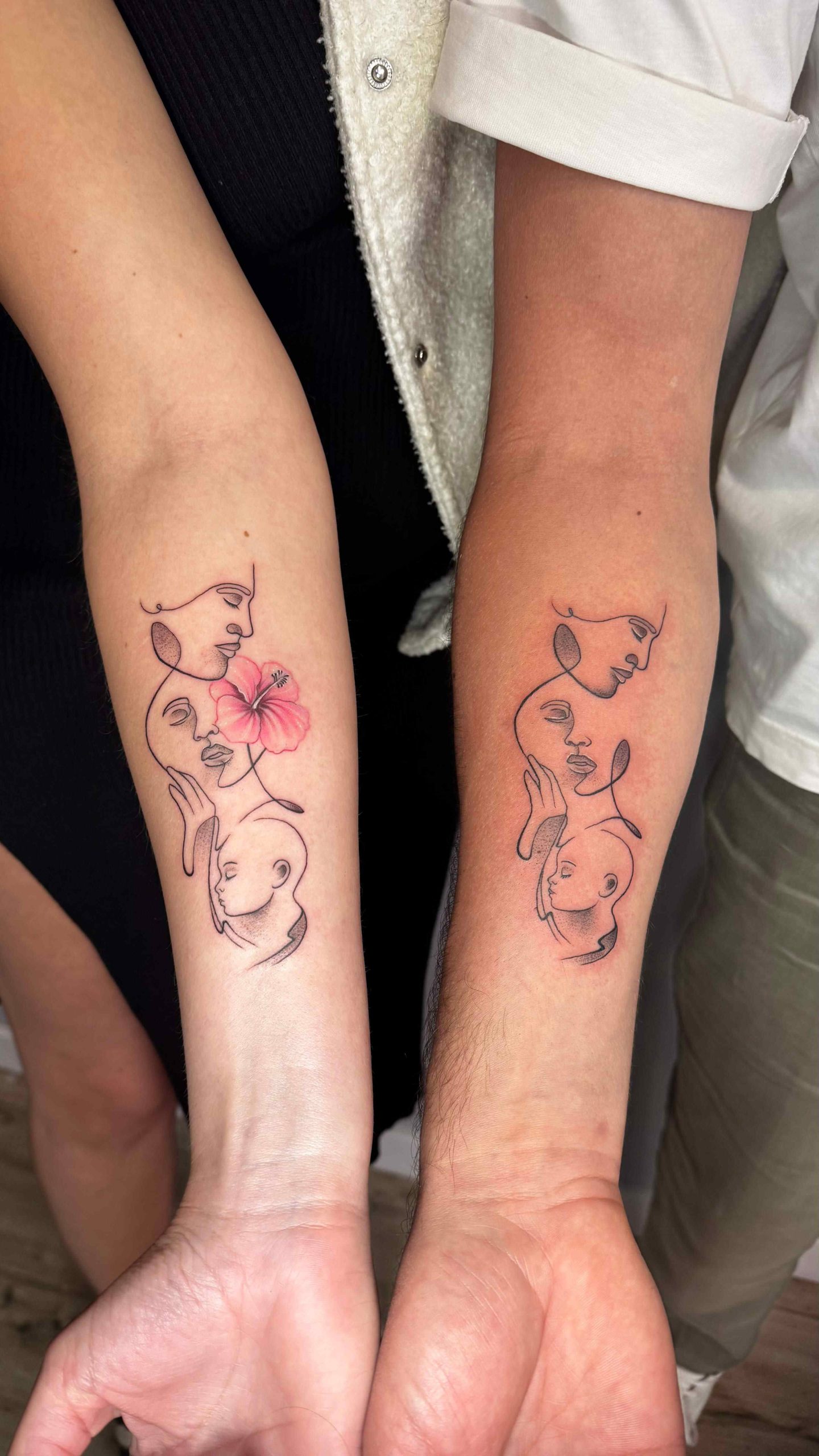
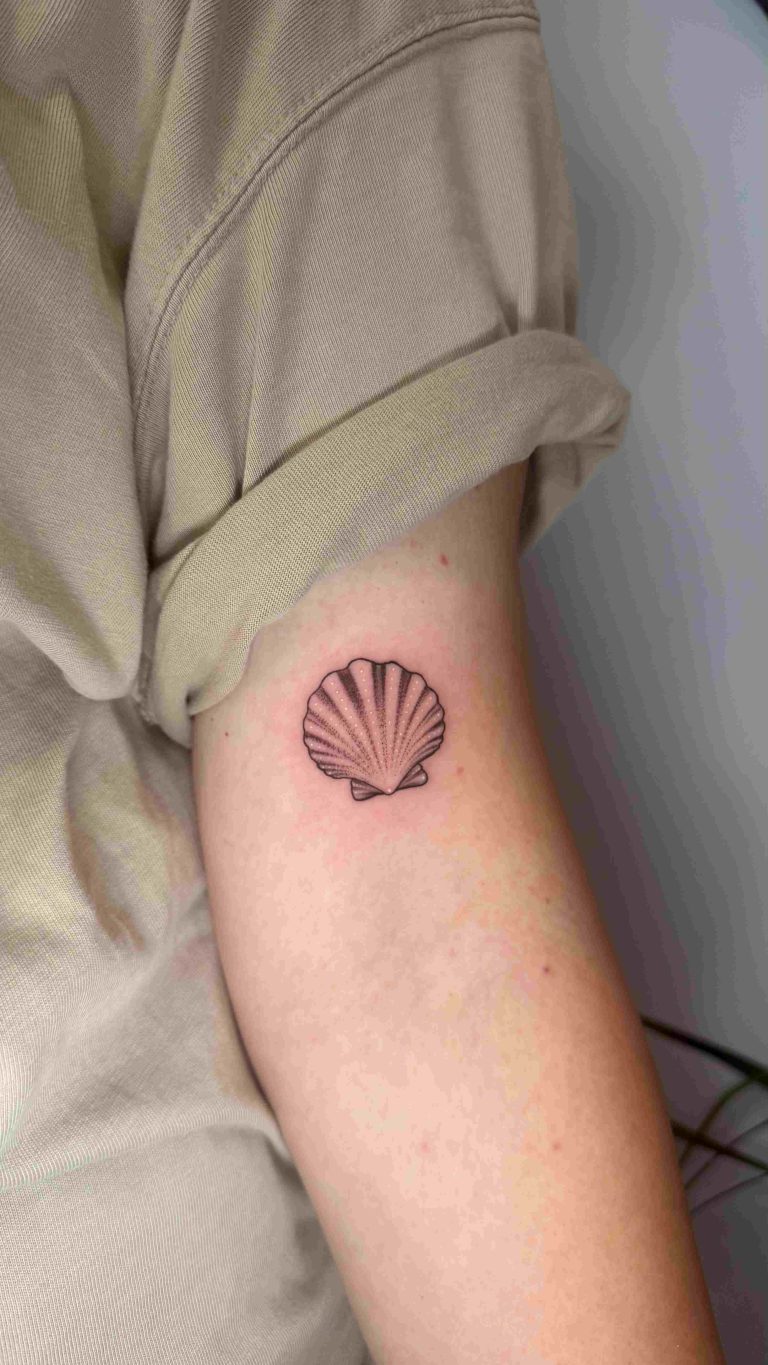
Fine line tattoos for women have become the preferred choice for those who want to adorn their body with “permanent jewellery”. The key to these designs lies in how they integrate with the muscular flow and natural curves of the body.
Areas such as the ribs, collarbone, spine line, behind the ear or forearm are perfect canvases. The lightness of the line allows floral motifs, butterflies or empowering words to add a sophisticated touch without feeling visually overwhelming. Because they use less black ink, these tattoos age in a much more subtle way, adapting naturally to changes in the skin.
Fine line tattoos for men: Character, structure and micro-realism
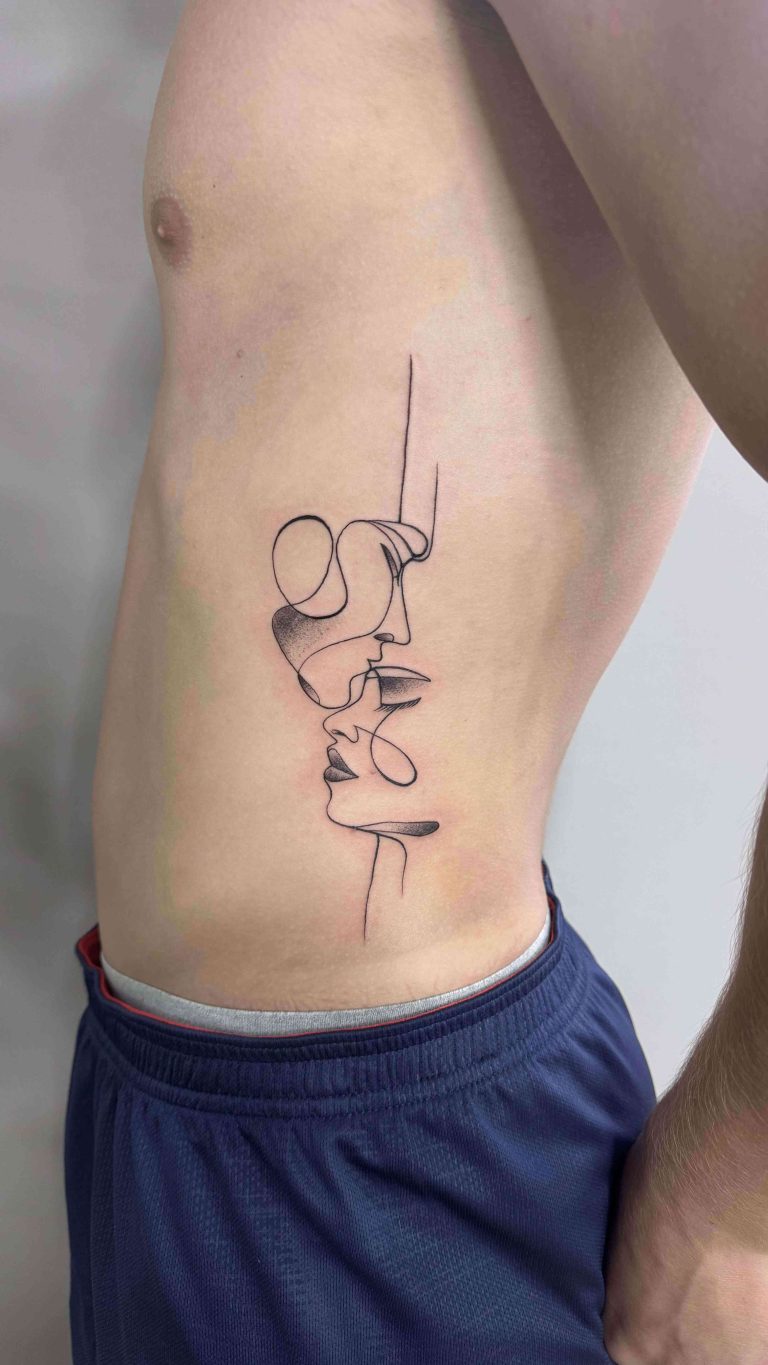
Minimalism has no gender. Fine line tattoos for men are becoming increasingly popular, moving away from traditional black-ink-heavy sleeves and leaning towards conceptual designs, micro-realism, architecture and artistic or historical references.
Instead of one large piece, many men choose a curated collection of small fine line tattoos strategically placed across the arm, the well-known patchwork style. Representations of classical sculptures, such as works by Michelangelo, complex geometric figures, geographic coordinates or nautical elements take on a completely new, clean and refined dimension thanks to the precision of fine line tattooing.
Frequently Asked Questions about fine line tattoos (FAQ)
Do fine line tattoos hurt more or less than a regular tattoo?
It depends on how you look at it. Because much finer needles are used, the overall impact on the skin is lower, which means less trauma and inflammation in the area. However, some clients describe the sensation of a 1RL needle as slightly more “sharp” or piercing than the scratching feeling of a shading needle. Generally speaking, sessions tend to be more manageable and the initial recovery is much faster.
How much does a fine line tattoo cost?
A common mistake is thinking that “because it is small and uses little ink, it must be cheap”. In fine line tattooing, what you are paying for is precision, technical difficulty and time, not the number of centimetres covered in ink. Creating a perfect microscopic circle without any trembling requires far more skill than filling in a 5-centimetre black square.
How long does it take to heal?
Surface healing, meaning the closing of the wound, is usually faster than with other styles, around 7 to 10 days, because the skin experiences less aggression. However, full internal healing in the dermis still takes around 3 to 4 weeks.
Essential aftercare to prevent your fine line tattoo from fading
Because the amount of pigment injected is minimal, fine line tattoos are more vulnerable to external degradation. If you want the lines to remain sharp and avoid spreading over the years, follow these golden rules:
- Maximum sun protection (SPF 50+): UV radiation can break down ink particles. Since there is less black pigment density, the sun fades fine lines much faster. Always use sunscreen once the tattoo has healed.
- Constant hydration: Keep your skin moisturised every day. Dry, flaky epidermis dulls the contrast of the ink underneath.
- Strict care during the first 15 days: Follow your artist’s aftercare protocol. Avoid submerging the tattoo in pools, saunas or the sea, and never pick at the fine scabs that may form during healing.
Bring your idea to life at Volt Gallery Tattoo studios
The success of a fine line tattoo depends 100% on the artist’s experience. A line that is too deep will cause the ink to spread, while one that is too superficial may make the design disappear after the first shower. Do not leave such precise microscopic work in just anyone’s hands.
At Volt Gallery Tattoo, founded in 2007, we have specialist tattoo artists dedicated to mastering the most advanced injection techniques in the industry. We work with the best materials, microscopic-gauge needles and impeccable hygiene and safety standards to ensure your design looks sharp, is safe and ages beautifully.
Shall we talk about your next tattoo? We do not work with predefined catalogues; we create custom designs for you. Get in touch and tell us your idea: