

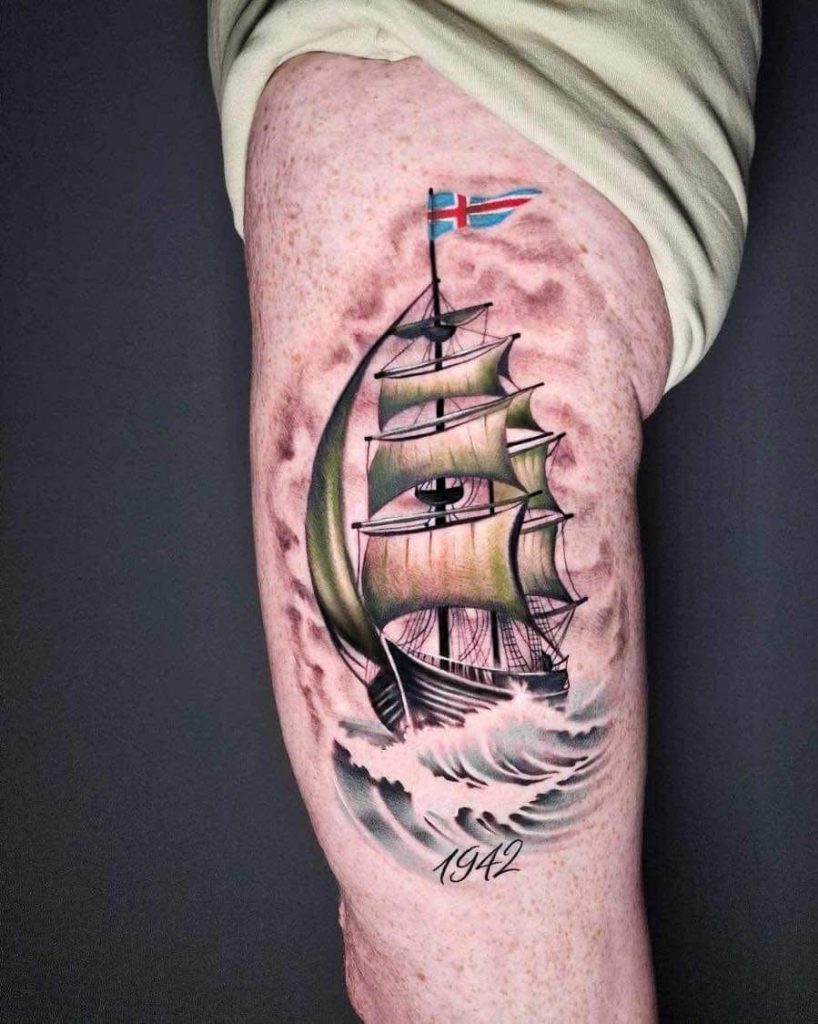
Neotraditional tattooing represents the most refined artistic evolution in contemporary body art. It fuses the technical durability of traditional American Old School with the illustrative richness and depth of classical art. This style has revolutionized the ink industry, delivering pieces packed with drama, volume, and an unprecedented aesthetic sophistication.
Origins and Artistic Influences
Emerging in the late 1990s and coming into its own throughout the 2000s, the neotraditional style was born as a response to the rigidity of traditional tattooing. Where 20th-century flash leaned on flat, two-dimensional shapes, contemporary artists sought to push ink on skin toward a more painterly, fine-art aesthetic.
To achieve its signature finish, this movement draws rich inspiration from key periods in art history:
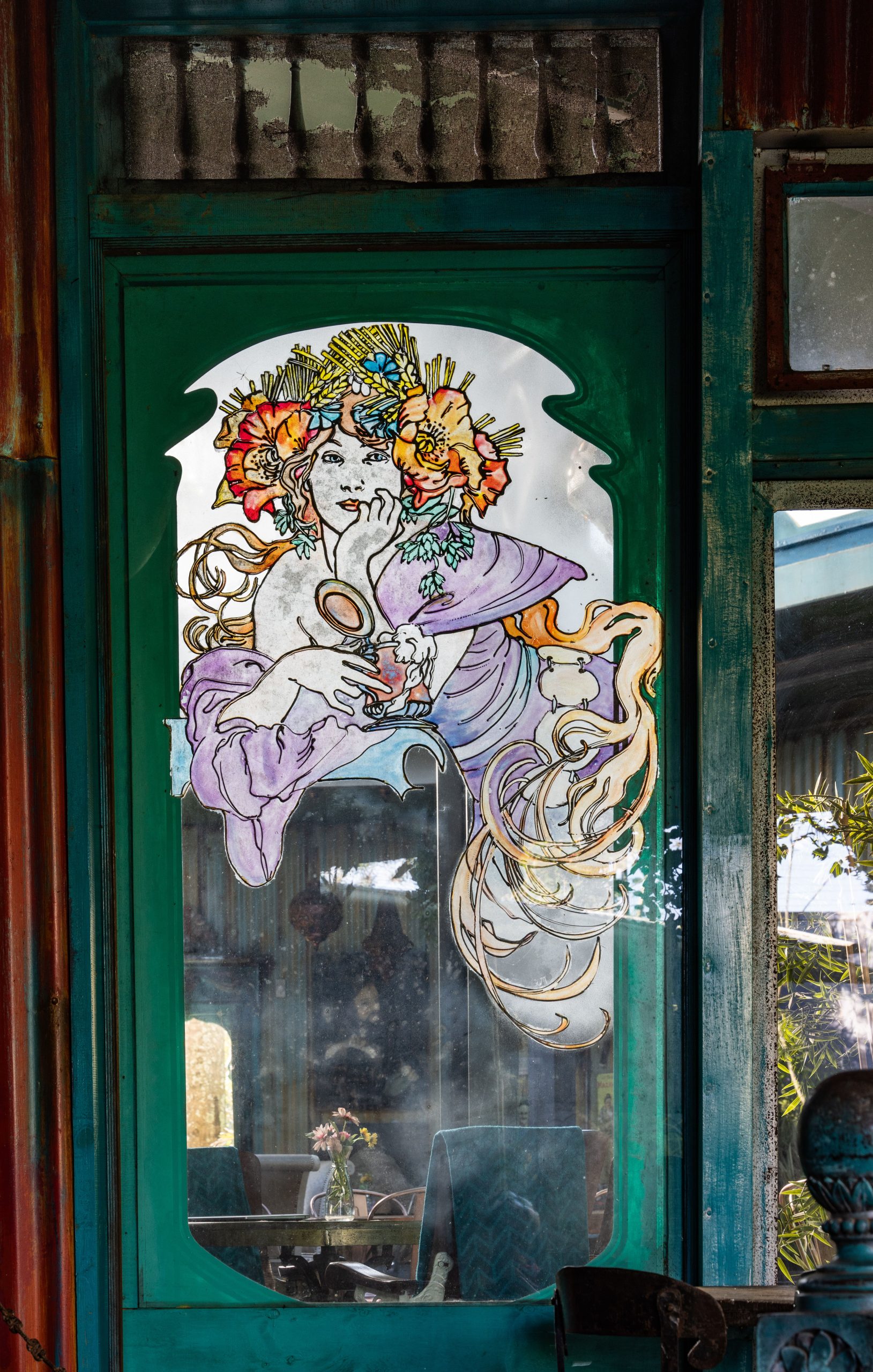
- Art Nouveau: Brings organic lines, fluid curves, decorative framing, and botanical motifs inspired by the works of artists like Alphonse Mucha.
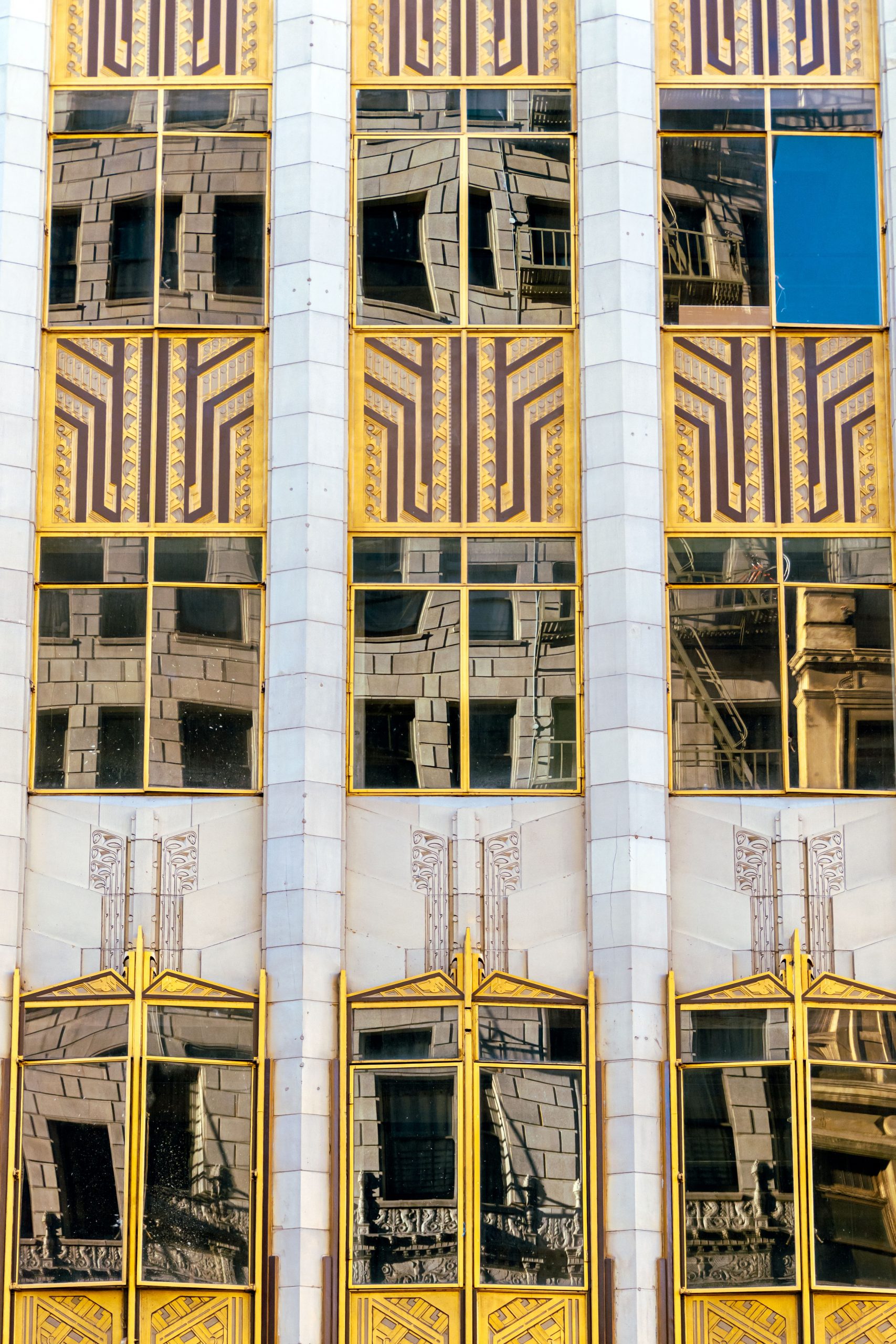
- Art Déco: Introduces elegant geometric structures, symmetrical framing, and elaborate ornamentation.
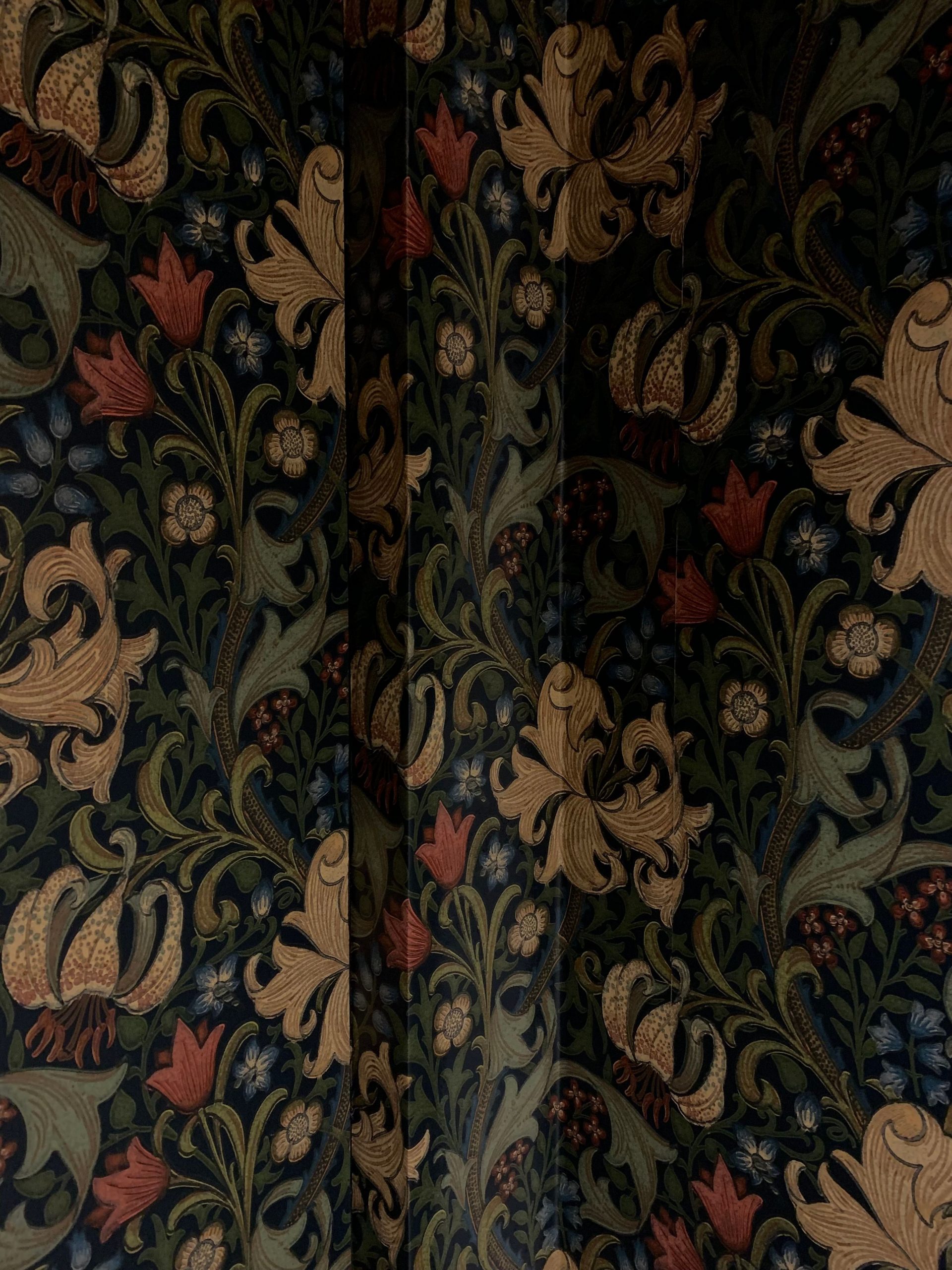
- Victorian Botanical Illustration: Adds graphic precision to the rendering of flora, fauna, and anatomy with a high degree of visual fidelity.
Comparison: Old School vs. New School vs. Neotraditional
One of the most common mistakes when analyzing this genre is confusing Neotraditional with New School. Although both share Old School roots, their aesthetic philosophies diverge significantly.
Element | Old School (Tradicional) | New School | Neotradicional |
Line Work | Uniform, thick, and rigid. | Dynamic, exaggerated, and cartoonish. | Hierarchical: bold outer contours paired with very fine inner line work. |
Color Palette | Flat primary colors (red, yellow, blue). | Neon, saturated, and acid tones. | A wide palette: purples, ochres, pastel tones, and soft gradients. |
Volume / Proportion | Two-dimensional and flat. | Comic-style distortion, graffiti proportions. | Illustrative with shading and realistic depth. |
Main Subject Matter | Maritime symbolism, anchors, daggers. | Pop culture characters, animation, graffiti. | Mystical female portraits, detailed fauna, botanical motifs. |
Technical Characteristics of the Neotraditional Style
Executing a neotraditional piece requires impeccable technical mastery. It is not simply a matter of applying color; the entire structure of the tattoo adheres to meticulous composition rules that guarantee both its aesthetic appeal and its longevity.
The fundamental pillars that define this technique are detailed below:
- Line Hierarchy: Combines thick outer strokes (bold outlines) that structure the design with fine inner lines that add detail to hair, feathers, or floral textures.
- Expanded Color Palette: Moves beyond the limitation of pure primary tones by introducing complex blends, emerald greens, ochres, burgundies, and smooth color transitions through subtle gradients.
- Shading and Depth: Applies saturated black and grayscale shading combined with color, creating a volumetric effect without sacrificing the illustrative character of the design.
- Decorative Frames and Filigree: Pieces are often framed by gems, Victorian jewelry, arches, or floral elements that seamlessly integrate the design into the natural contours of the body.
Most In-Demand Designs and Motifs
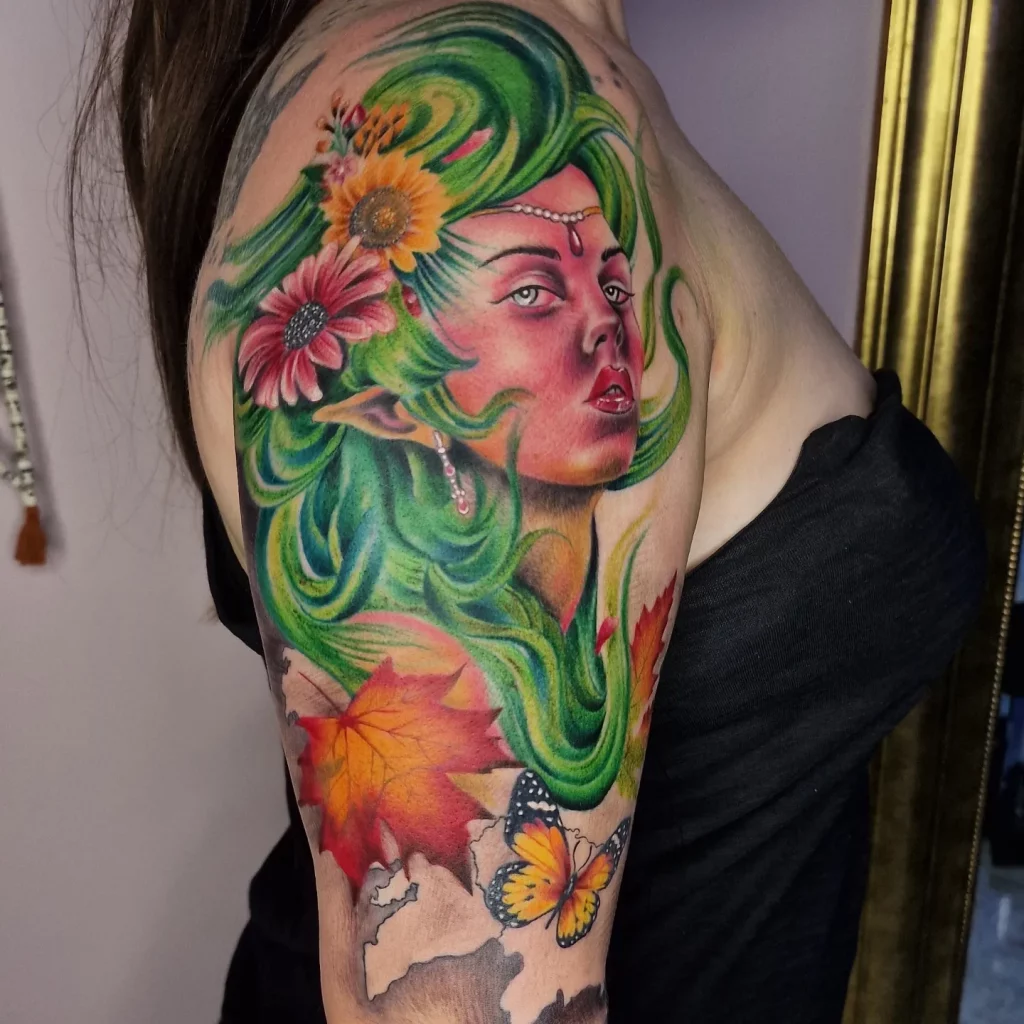
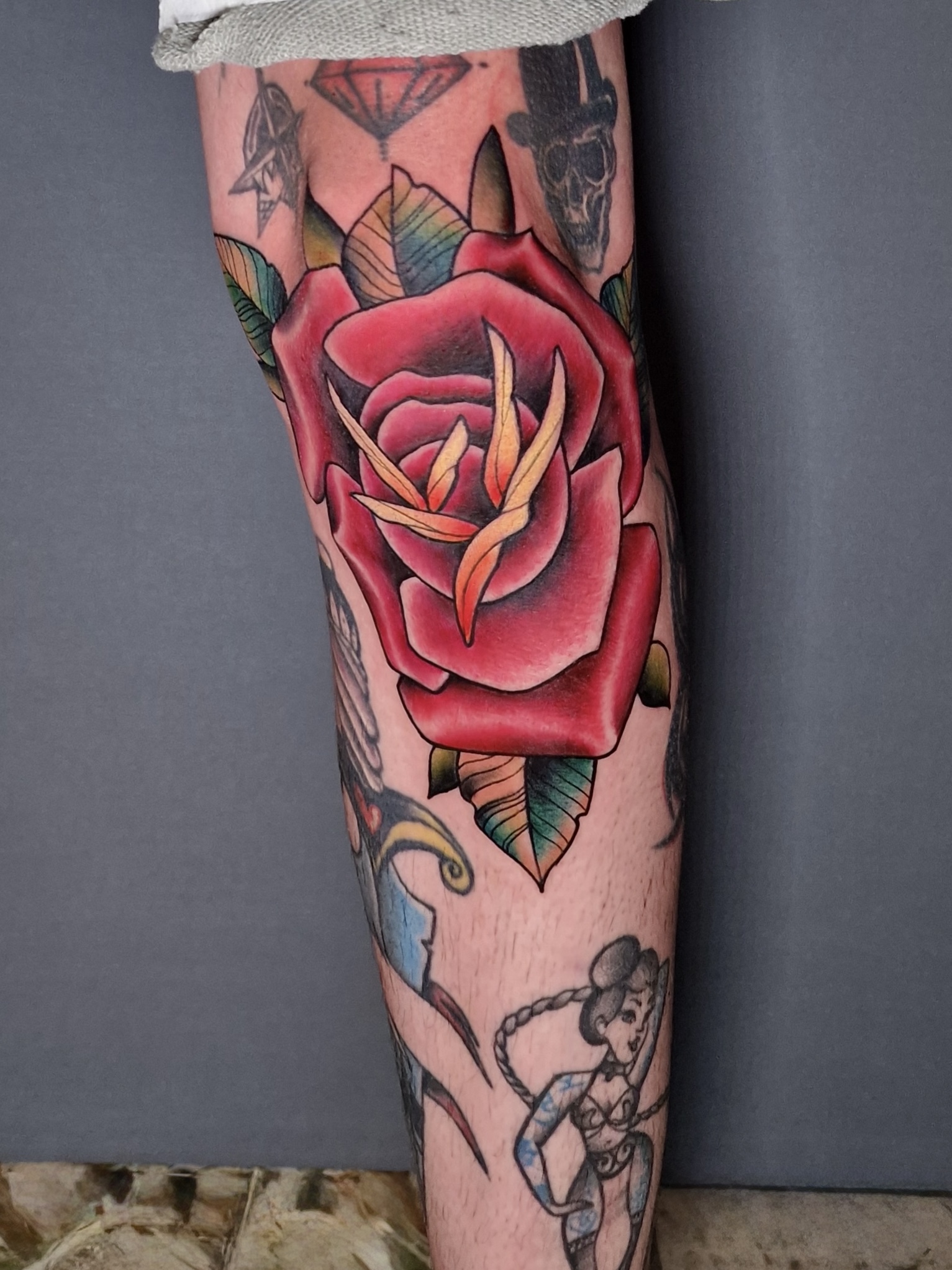
The versatility of the neotraditional style allows almost any idea to be adapted to its visual language. However, certain classic themes lend themselves perfectly to this form of illustrative body art.
Among the most popular motifs favored by collectors and tattoo enthusiasts are:
- Female Portraits: Expressive faces adorned with animal headdresses, headscarves, jewelry, or esoteric elements.
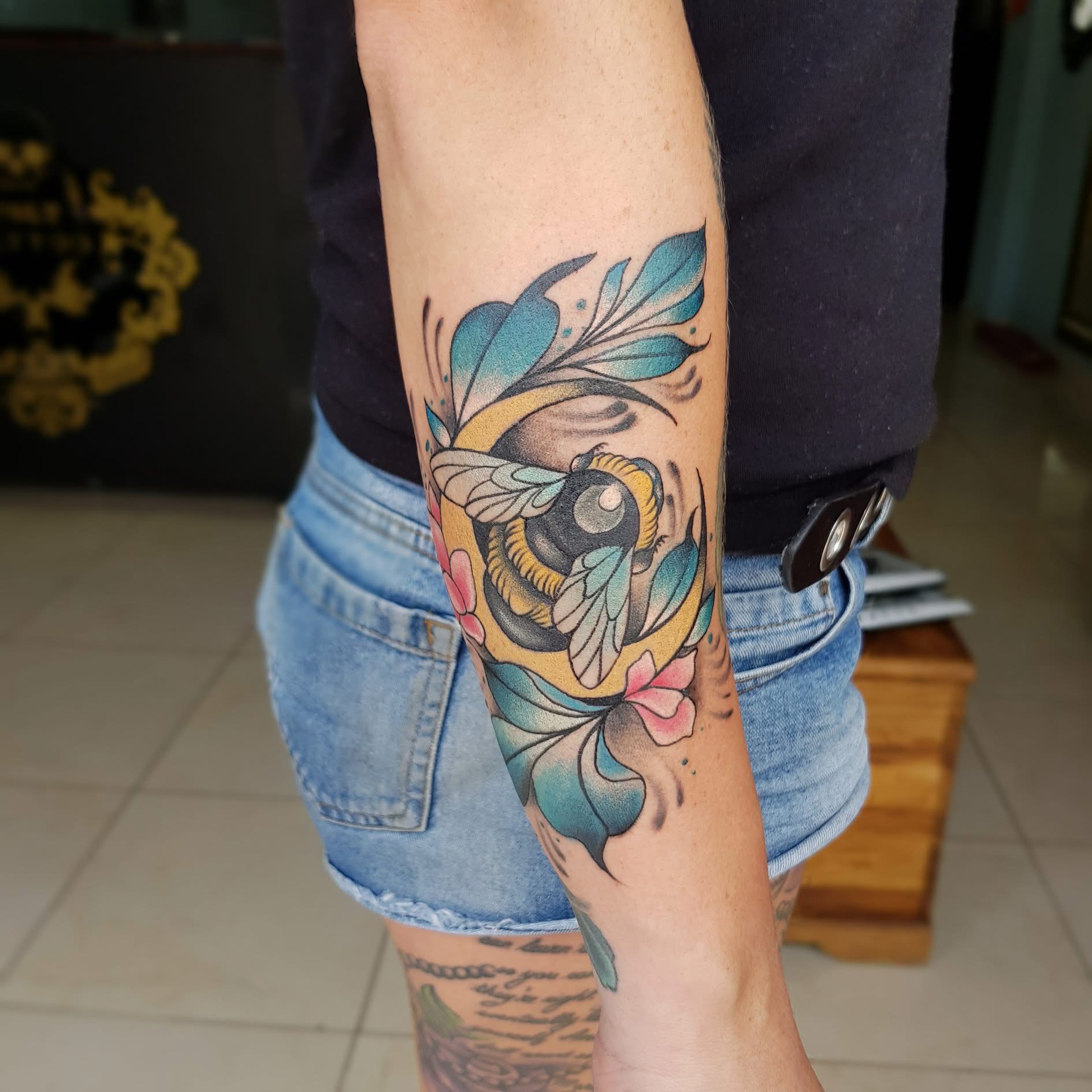
- Expressive Fauna: Owls, foxes, felines, stags, and snakes portrayed with piercing gaze, detailed fur texture, and botanical framing.
- Botanical Elements: Peonies, chrysanthemums, roses, and intricate foliage that serve as both central subjects and ornamental framing.
- Reimagined Classic Iconography: Daggers, hourglasses, skulls (Memento Mori), and nautical lighthouses rendered with dramatic volume and rich textures.
Placement and Recommended Scale
The neotraditional style is ill-suited for minimalist designs. The high density of detail, intricate internal line work, and smooth color gradients require ample canvas space to heal properly and maintain crispness over time.
To ensure the piece achieves its maximum visual impact, consider the following anatomical factors:
- Optimal Zones: Thighs, forearms, calves, chest, back, and full sleeves.
- Anatomical Flow: A neotraditional composition must contour to the body’s musculature. Primary focal figures are positioned over larger muscle masses, while framing filigree and organic foliage sweep around joints and natural contours.
Longevity and Specific Aftercare
The classic tattoo adage “Bold will hold” remains foundational in neotraditional tattooing. Heavy black outlines act as a permanent structural dam, locking in vibrant color gradients and preventing pigment migration over the decades.
To keep your tones and color gradients as radiant as the day they healed, adherence to these crucial guidelines is essential:
- Initial Healing: The application of dry-healing protective films (second-skin bandages) during the first few days traps natural plasma, facilitating optimal pigment retention and securing the punchy saturation of soft gradients.
- Hygiene and Hydration: Wash with a mild, neutral soap and apply very thin layers of specialized healing cream to prevent heavy scabbing, which can pull pigment from soft shading and detailed line work.
- Sun Protection: Pastel tones and soft color transitions are highly sensitive to UV radiation. Applying high-factor sunscreen (SPF 50+) once fully healed is indispensable for preserving the original saturation and preventing premature pigment breakdown.
Bring Your Project to Life at Volt Gallery Tattoo
The neotraditional style stands as one of the most demanding disciplines in tattooing: it requires an unwavering line for structural contours, a sophisticated mastery of color theory, and an acute sense of composition rooted in fine arts. Not every studio possesses the technical discipline or artistic intuition to handle this style with the precision it demands.
At Volt Gallery Tattoo, our specialized artists master every dimension of the Neotraditional genre. Whether you seek a portrait steeped in mysticism, a commanding animal draped in intricate filigree, or a bespoke botanical composition, we translate your vision into a unique, enduring masterpiece engineered to flow seamlessly with your anatomy.
We work with premium-grade pigments, enforce rigorous hygiene standards, and offer attentive, personalized care to support you from the initial concept sketch through the complete healing process.
Do you have an idea in mind for your next neotraditional tattoo? Contact us today, book your appointment at Volt Gallery Tattoo Tenerife or Salou, and place your skin in the hands of true ink professionals.